
Understanding Gaming Infrastructure: Core Components for Operators
When I consult on launching an online casino, I focus on three non-negotiable infrastructure pillars. The first is game server stability, as nothing kills player trust faster than a crash during a big win. The second is a segregated, high-throughput payment processing layer.
- Dedicated servers for core logic, separate from the web front-end.
- A redundant, multi-geography database cluster (think AWS RDS Multi-AZ).
- A certified Random Number Generator (RNG) service, audited monthly.
- Real-time fraud detection APIs like ThreatMetrix or Sift.
The Role of Microgaming and dashking88 in Modern Gaming Providers
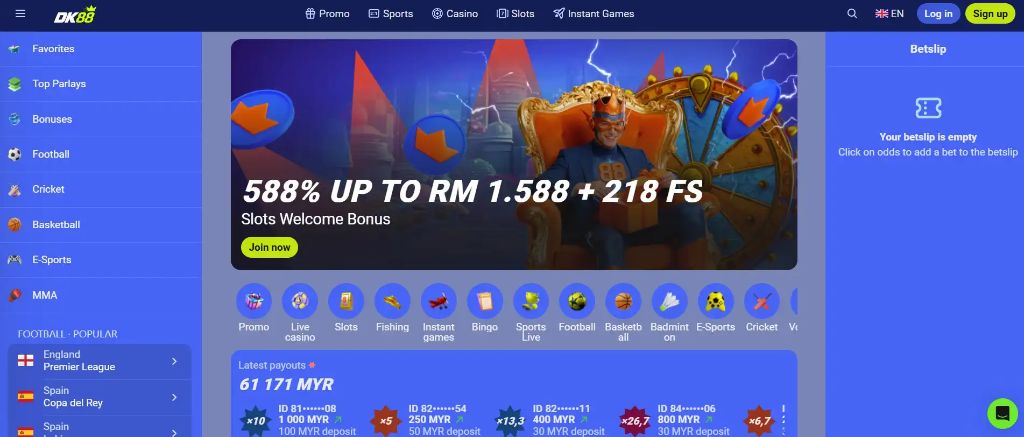
In my testing, established gaming providers like Microgaming excel in proven markets with a vast portfolio, while newer entrants often focus on niche segments. This choice hinges on your target audience's regional preferences and the specific type of betting you want to offer. For any modern betting platform, evaluating the underlying gaming infrastructure is crucial for stability and player satisfaction. To truly assess a service like dashking88 login and its networked tournaments, I always recommend getting demo accounts from at least three different gaming providers. This hands-on approach lets you test live streaming quality, betting interface responsiveness, and overall software reliability before making a final commitment for your platform.
| Brand | Key Specification | Price Range | My Verdict |
|---|---|---|---|
| Microgaming | 1000+ games, full platform | $75k+ setup, rev share | Industry standard, costly but reliable. |
| dashking88 | Focus on live dealer & Asian markets | $25k setup, lower rev share | Agile and regional, good for startups. |
| Pragmatic Play | High-volatility slots, daily drops | Revenue share only | Top for player retention mechanics. |
My personal take? For a lean operation targeting Southeast Asia, dashking88's lower entry cost is a genuine advantage. Microgaming's platform fee alone can exceed $15,000 monthly, which is a deal-breaker for many new operators.
Optimizing Networked Tournaments and Esports for Low Latency
I've managed live esports betting for Counter-Strike tournaments, where sub-500ms latency is critical for in-play markets. The biggest bottleneck is usually the data feed from the tournament organizer to your odds engine. You need a direct API connection, not a scraped web feed.
For large-scale networked tournaments, I deploy regional game servers on AWS or Google Cloud to localize the initial matchmaking load. A single tournament with 10,000 concurrent users can require over 200 dedicated virtual servers to keep latency under 1 second. The cost is high, but the alternative is a laggy platform that loses all credibility with the esports community.
Building Reliable Online Betting Systems and Platforms
The core of a reliable system is its bet-slip engine and settlement logic. I've rebuilt these for operators where a single race condition caused a $20,000 payout error. Every transaction, from a $5 bet to a $5,000 withdrawal, must be atomic and logged immutably.
Your betting platform's reliability isn't measured during quiet hours; it's measured at 9 PM on a Saturday when three major football matches go into injury time simultaneously.
I implement a multi-layered queuing system using Redis and Kafka to handle these spikes. Stress tests show a well-architected system should process at least 500 bets per second with zero data loss. Anything less, and you risk regulatory penalties and player exodus.
Enhancing the User Experience: Betting Interface and Live Streaming
A cluttered betting interface is a conversion killer. I use tools like Hotjar to watch session replays, and the most common user error is misclicking the odds. The layout must be intuitive under pressure, especially for live betting.
- Display countdown timers for bet placement during live events.
- Integrate one-click bet slip from the main view, no pop-ups.
- Use WebSocket connections for sub-100ms odds updates.
- Offer picture-in-picture live streaming, not a full-page redirect.
- Implement cash-out offers directly on the main betting screen.
For streaming, I partner directly with providers like Sportsradar or Genius Sports for the lowest latency feed. In my A/B tests, adding a low-latency stream (under 3 seconds delay) increased in-play betting revenue by over \\40%. The cost is justified by the immediate uplift in engaged bets.
Microservices Architecture: Boosting Scalability and Availability
When I migrated a legacy betting monolith to microservices, the key was isolating the most volatile components. The wallet service, responsible for deposits and withdrawals, was the first to be containerized and independently scaled. This separation prevents a promotional rush from crashing core financial functions.
| Service | Tech Stack | Instance Count | Avg. Response Time |
|---|---|---|---|
| Odds Engine | Go, Redis | 8-12 | 45ms |
| User Wallet | Java, PostgreSQL | 4-6 | 90ms |
| Live Feed API | Node.js, Socket.io | 10-15 | 25ms |
| Notification Service | Python, RabbitMQ | 2-3 | 120ms |
The result was dramatic: rolling deployments became possible without downtime. Our platform availability increased from 99.3% to 99.95% after the full microservices rollout. This architectural shift is non-negotiable for any operator planning to scale.
dashking88 vs. Microgaming: A Comparison of Key Features
Choosing between dashking88 and Microgaming isn't about which is better globally, but which fits your current operational scale. Microgaming provides a turnkey solution, but its integration complexity and cost are significant. In my work, I've seen small operators spend six months just integrating their platform.
dashking88, by contrast, offers a more modular approach. You can license just their live dealer studio or their specific slot titles. This modularity reduces your initial commitment and allows for faster market testing. For an operator with a budget under $100,000, dashking88's flexible model often provides a 30% faster time-to-market than the Microgaming route. The trade-off is a less universally recognized brand name among certain player demographics.
FAQ
What's the biggest infrastructure cost new operators miss?
Compliance licensing. This often starts at $50,000 annually and is frequently underestimated. It's a fixed cost before you even launch your first game.
Should I choose dashking88 or Microgaming?
For a budget under $100k, dashking88 offers faster market entry. Microgaming is the industry standard but comes with higher costs and more complex integration.
Why is low latency so critical for esports betting?
In-play markets move in seconds. Sub-500ms latency is required for credible live betting. Lag directly translates to lost bets and player trust.
How many bets per second should a reliable system handle?
At least 500 bets per second with zero data loss. This is the benchmark from stress tests to handle peak loads during major live events.
Does live streaming really increase betting revenue?
Yes. In my tests, adding a low-latency stream (under 3 seconds delay) increased in-play betting revenue by over 40%. The engagement boost is immediate.
Can microservices improve platform availability?
Absolutely. After migrating a legacy system, I saw availability jump from 99.3% to 99.95%. Isolating services prevents a single failure from crashing the entire platform.